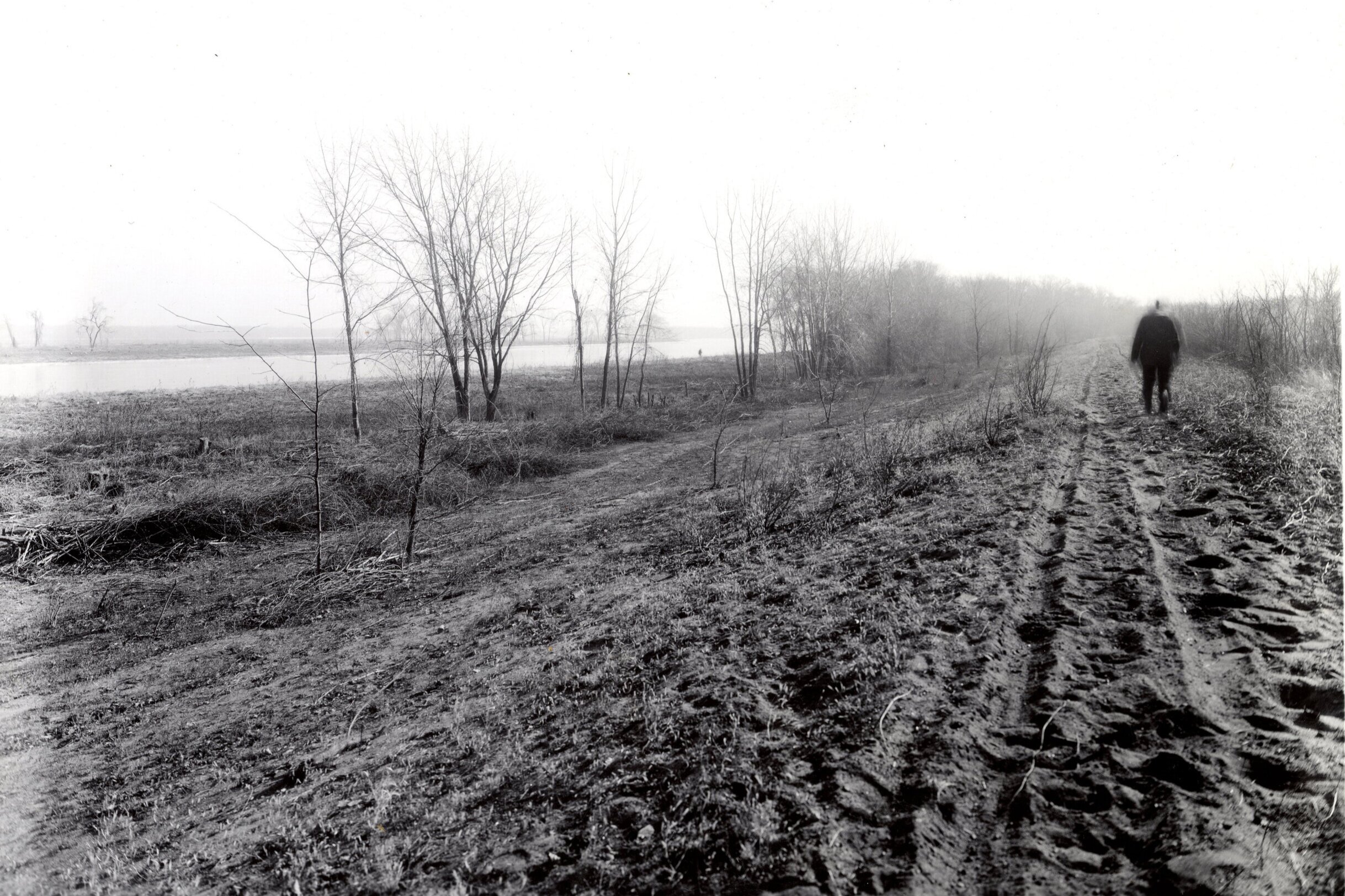
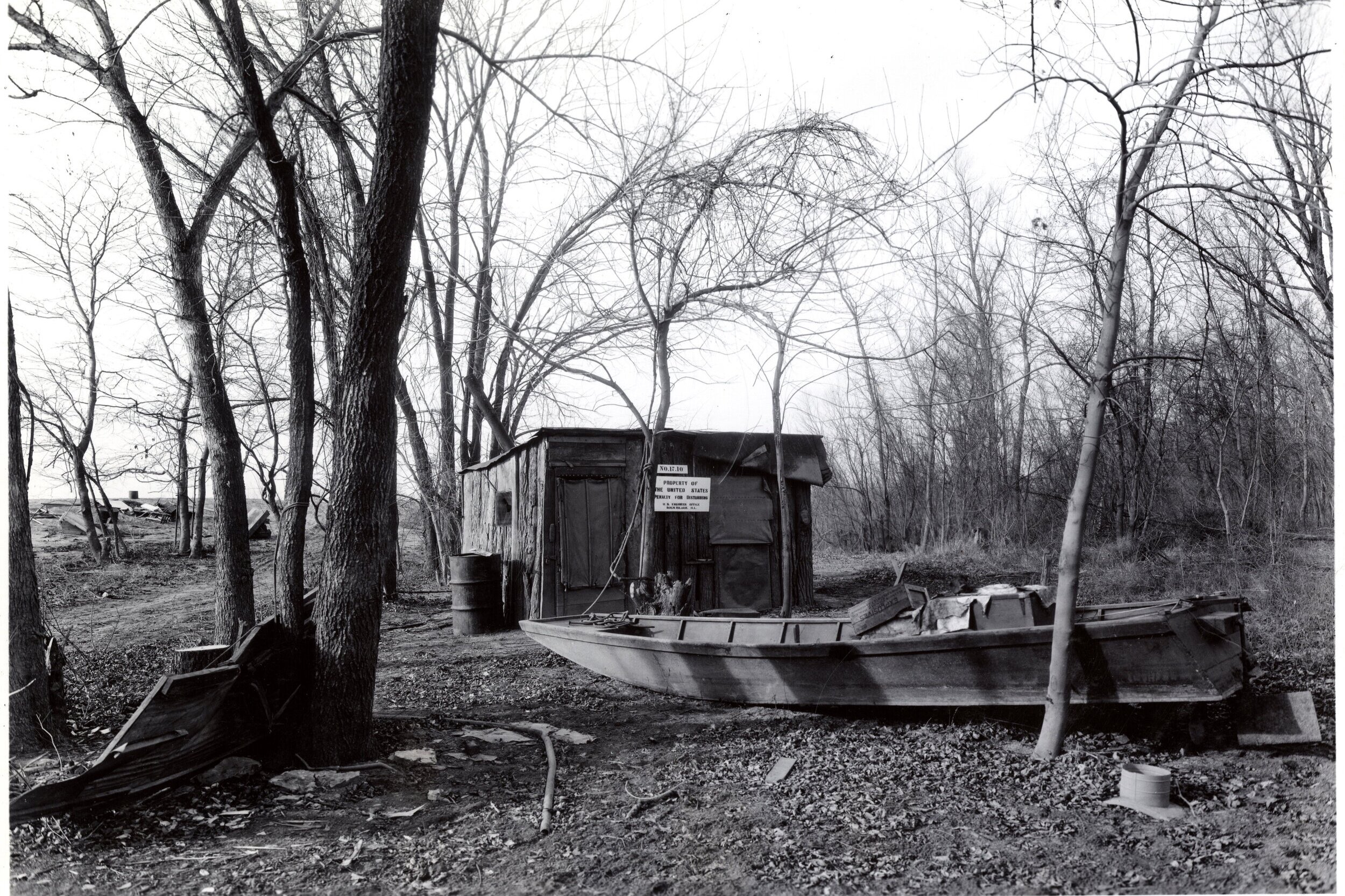
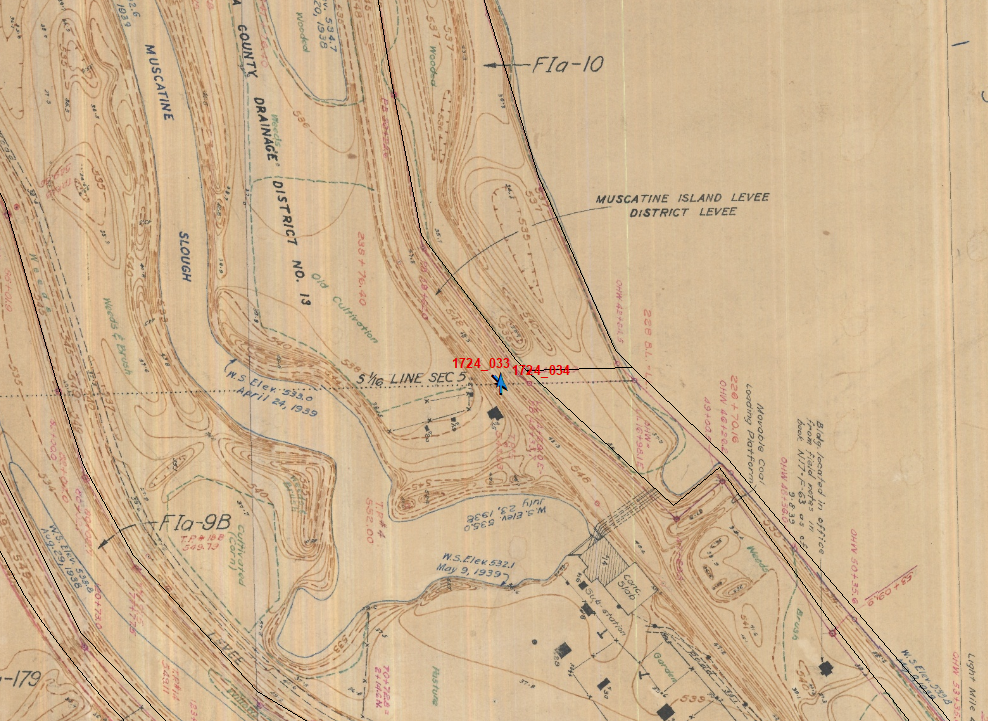
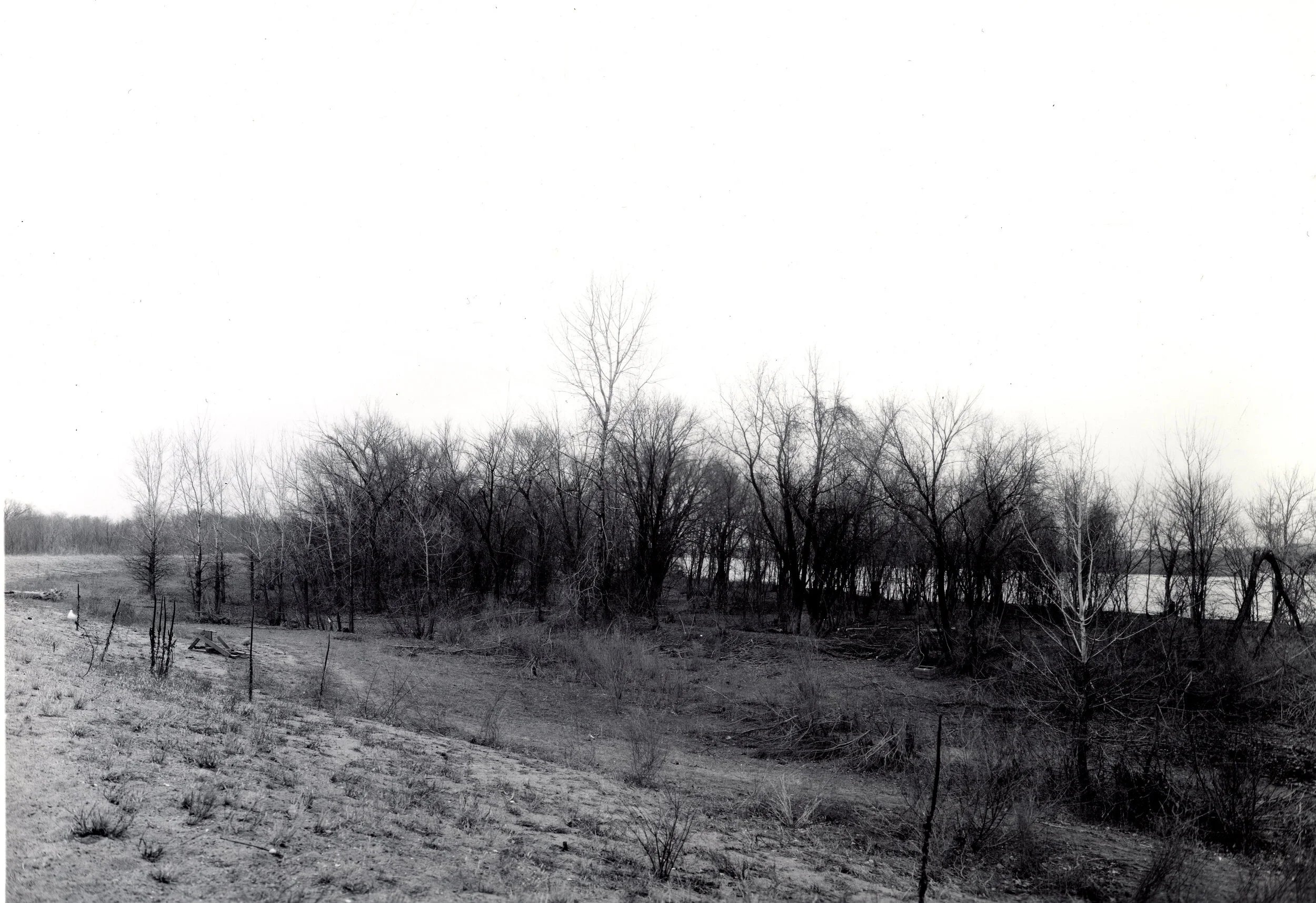
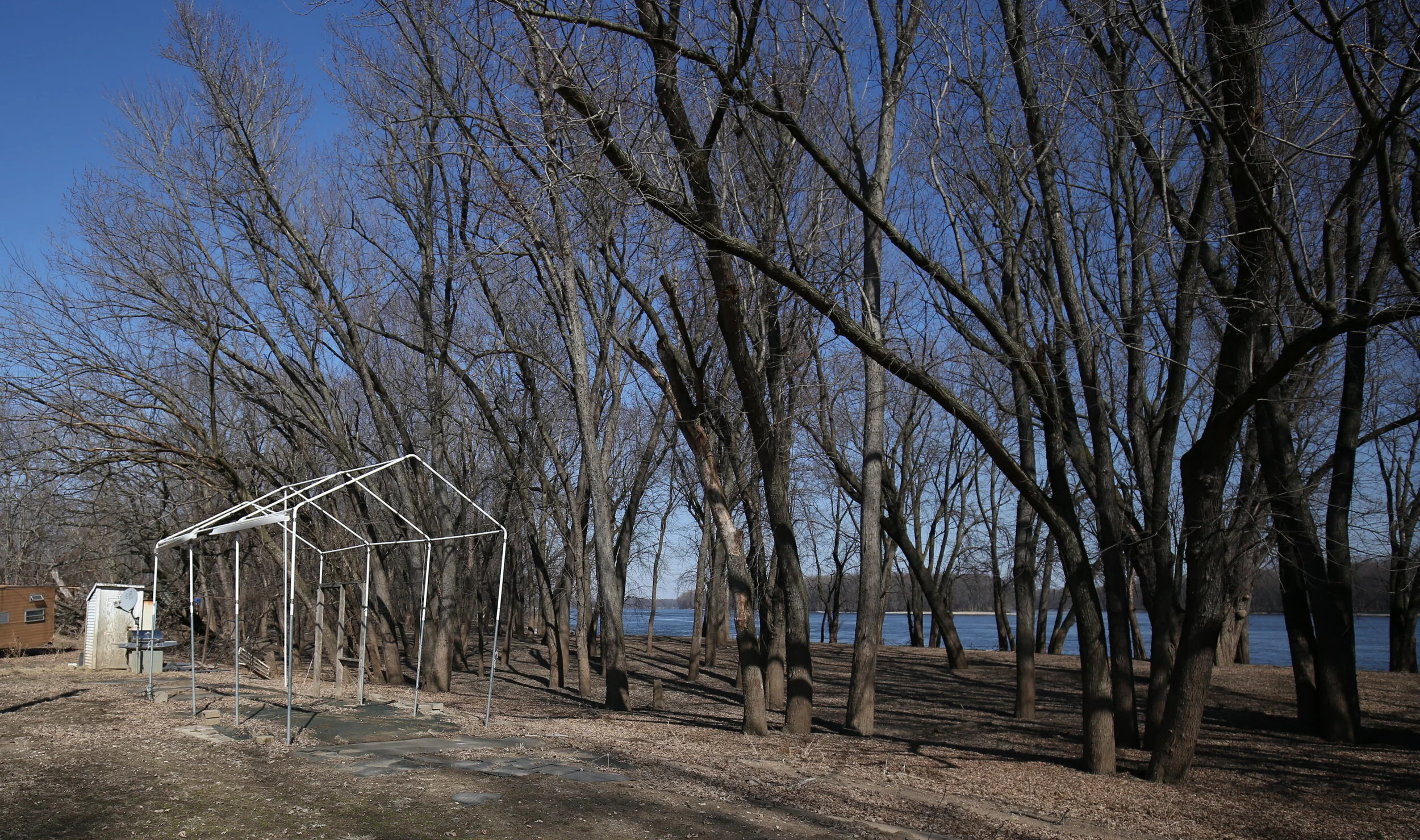
Repeat photography of photos 33-1724 and 34-1724 (below) show that the landscape was oriented towards recreation; though no structures are seen in the photo, we can see that the the floodplain was clear and a boardwalk to a pier was constructed for access. The plane table maps shows the Muscatine Island Levee District Levee, its pumping facilities, and cultivated landscapes between the levee and the slough. The land was owned by “A.J. Wheeler and Wife.” Andrew Jackson Wheeler was born in Louisa County in 1878. His wife, Alice Nott Wheeler, was born in Fairfield, IA in 1879 and married A.J. when she was 18 years old. They lived in Wapello, IA and had three sons (Omer, Chester, and Jack) and four daughters Helen, Maybelle, Inez, and Anna. A.J was a Mason and in nearly every newspaper account I could find, Alice was only mentioned as “Mrs. A.J. Wheeler.” Like all landowners along the Louisa shoreline, the Wheelers lost title to the land during the 9-foot project condemnation process.
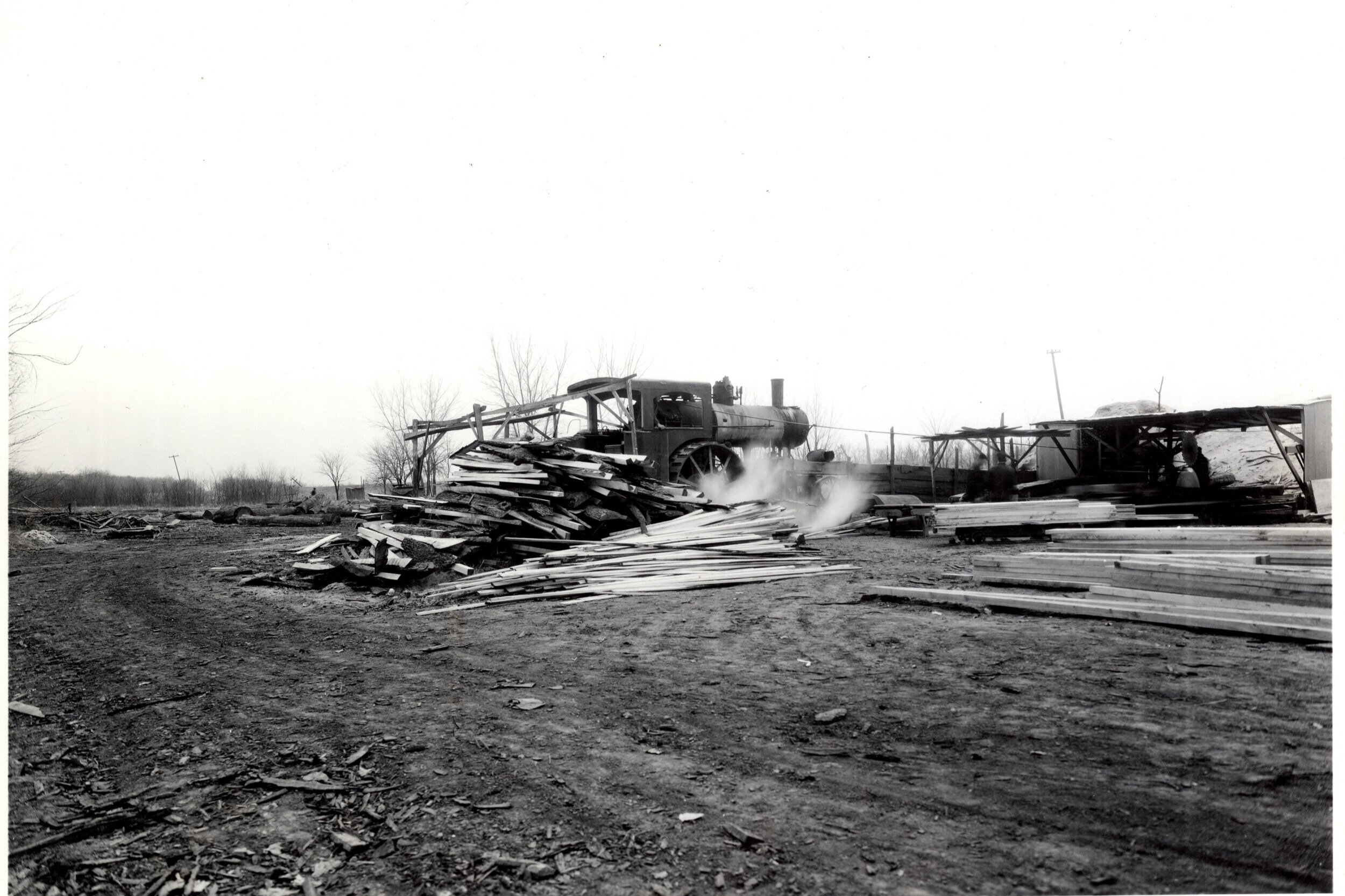
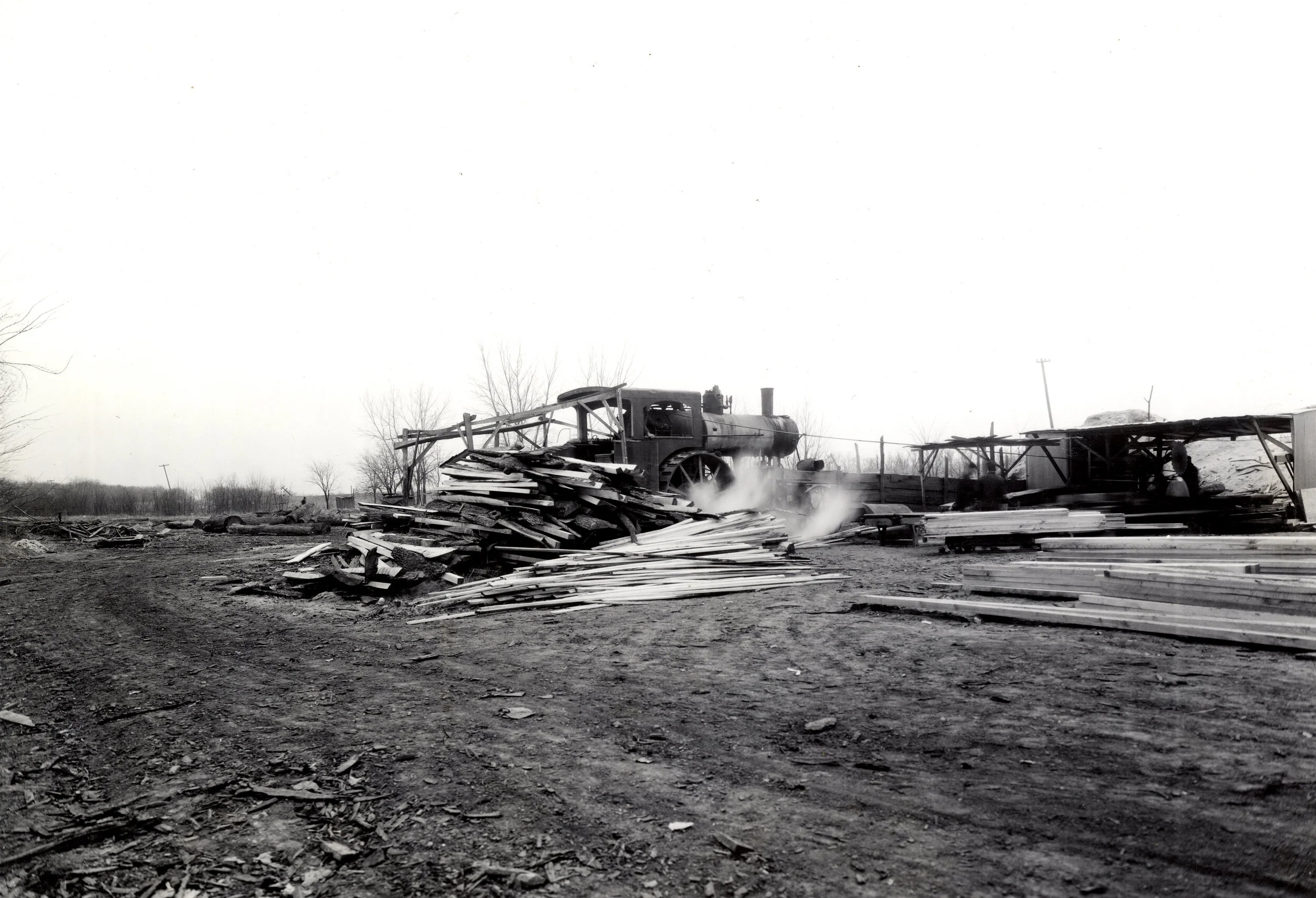
The portable saw mill is of course gone. In its place is an active boat ramp. I always see people there - no matter what time of year or the temperature. Yesterday I saw two middle-aged hispanic men chip away ice from one of the ponds behind the ramp and spool out line from small ice fishing rods. They jigged for small blue-gill. “The small ones are best. Good soup!”